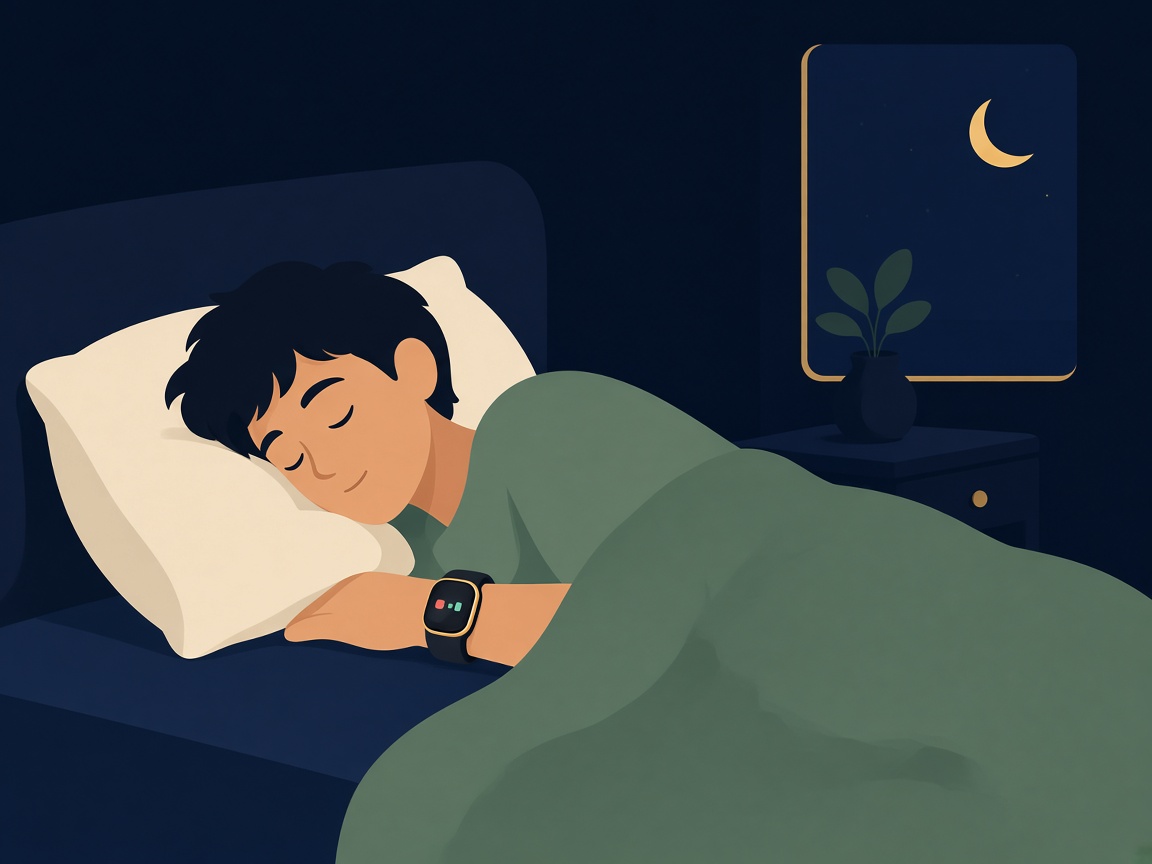
 23:40
23:40
You fall asleep
The band sits on the wrist and just listens. No screen, no light.
20/20 Vision · Team 20 · Sleep-safe closed loop
Every 10th person lives with atopic dermatitis. In a flare the hands scratch through the night — you wake up with damaged skin and no deep rest. 20/20 Vision detects the scratching and gently interrupts it before it does more harm, while you stay asleep.
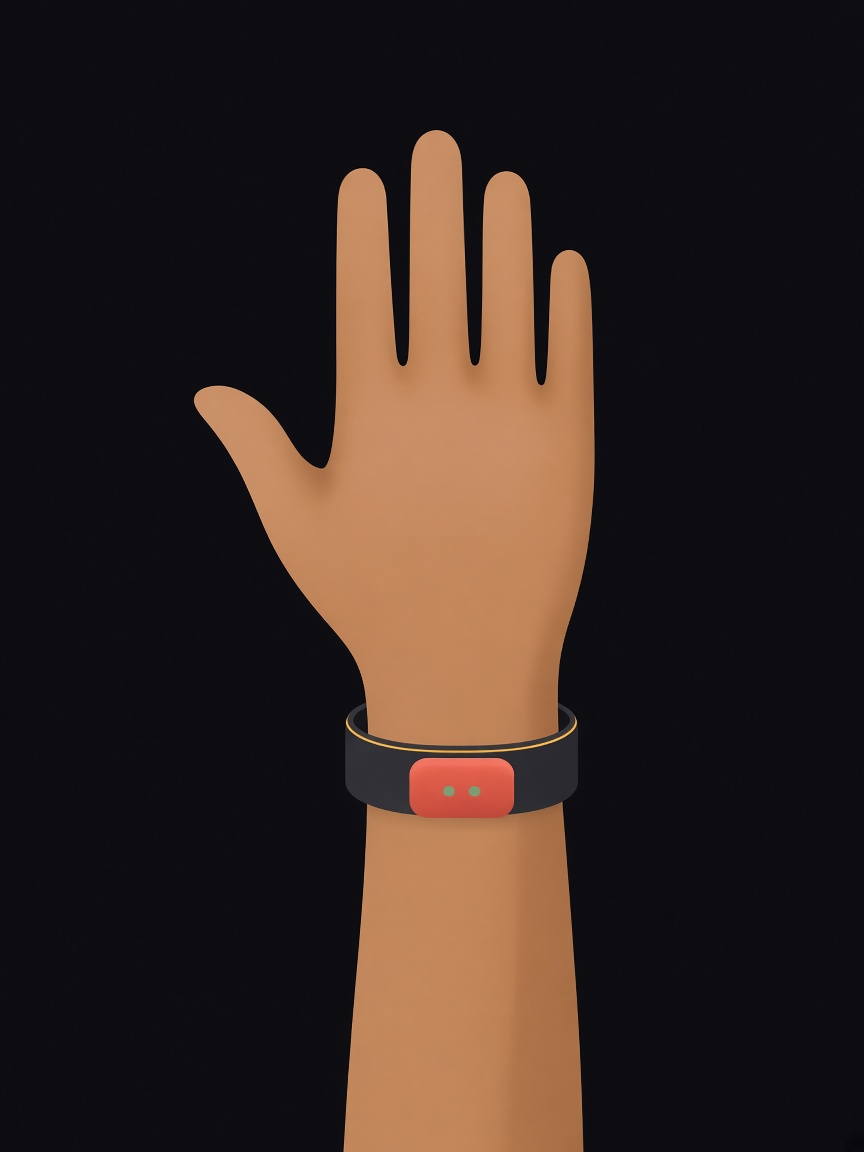
The cue is a haptic pulse — short enough to stop the hand, not a wake-up alarm.
One night, in four pictures
Atopic dermatitis disrupts far more than skin — it disrupts sleep. Scratching damages the skin, the itch gets worse, deep sleep is gone: a cycle of itch, scratch and sleep loss you cannot control. Here is what one night looks like with the band on.
23:40
The band sits on the wrist and just listens. No screen, no light.
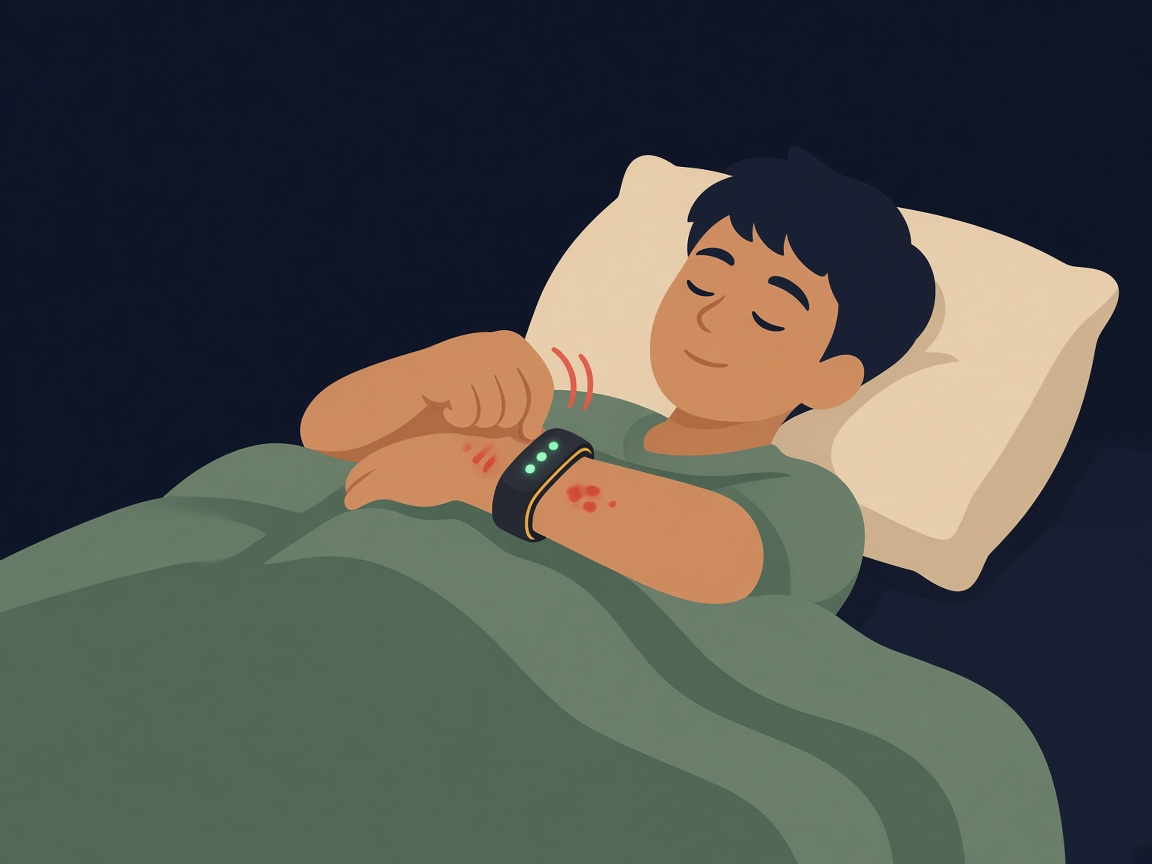 03:14
03:14
You are still asleep. The skin is already getting damaged — and you have no idea.
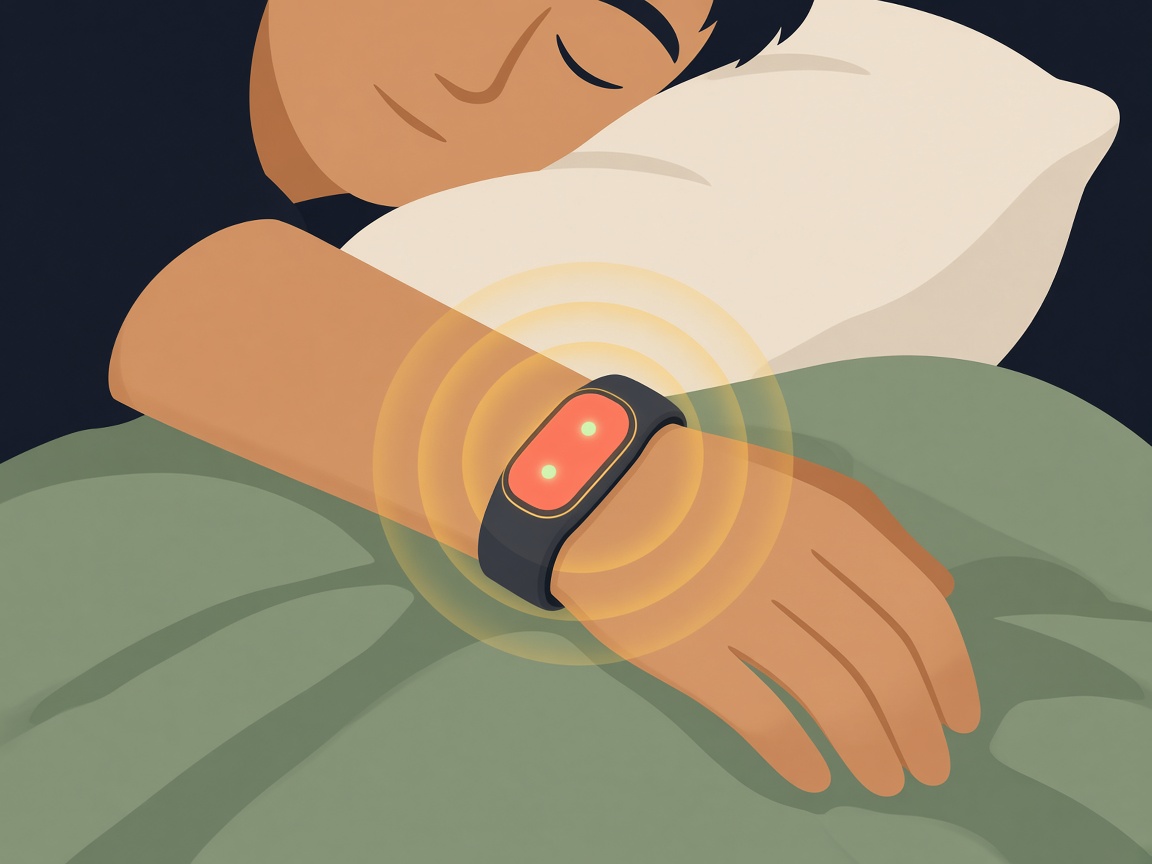 03:14 · +2 s
The band recognises the scratch rhythm and gives one soft buzz. The hand stops. You do not wake up.
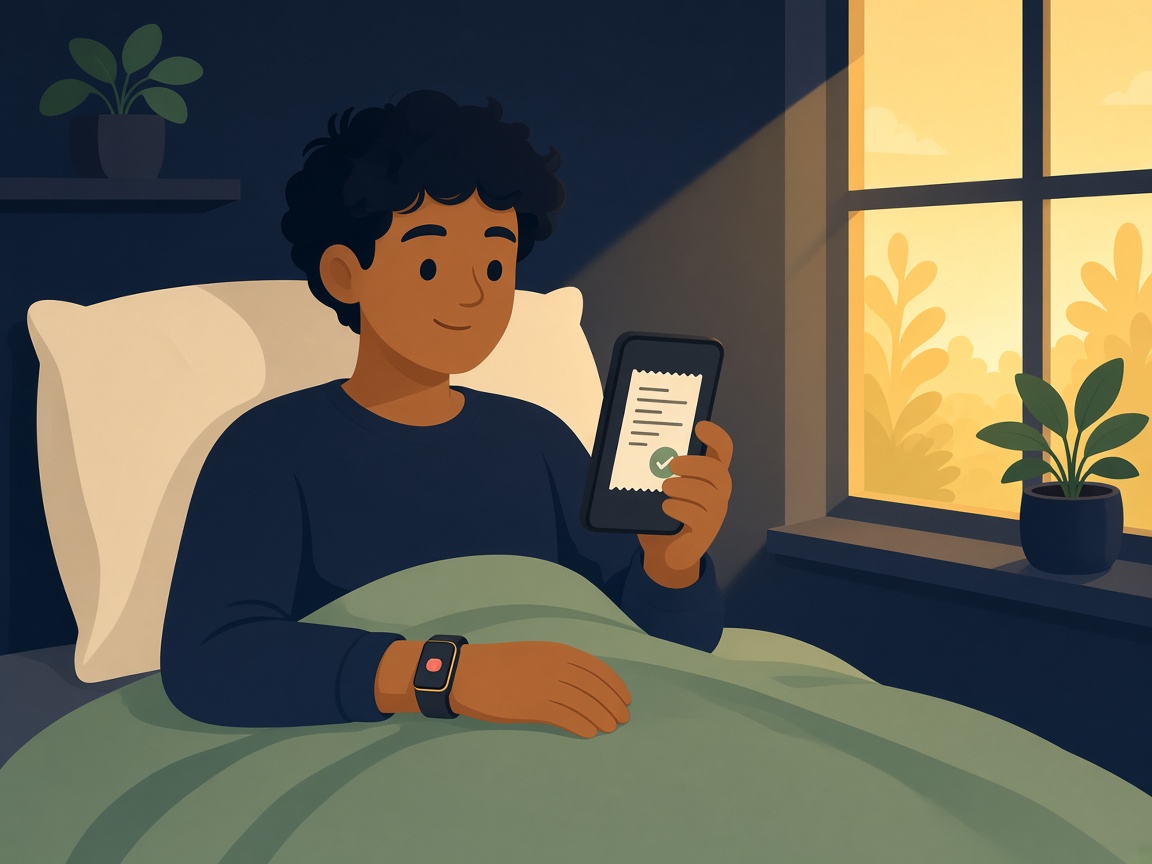 07:30
07:30
How many bouts, how long, when. A number you can show your doctor instead of a guess.
people live with atopic dermatitis. During a flare, night scratching is near-impossible to control.
Langan et al., Lancet 2020of people with AD scratch in their sleep at least one night a week.
Cesnakova et al., Skin Health Dis. 2023of rest lost on every affected night — the deep sleep the skin needs to recover.
Cesnakova et al., Skin Health Dis. 202303 · Inventive step
Existing approaches measure scratching, protect the skin passively, or treat the itch with drugs. None of them stops the hand at 03:14. Our system closes the loop: sense → detect → interrupt → prove.
Trackers count night scratch and stop there. Gloves and wraps hide the hands. Creams and pills treat the inflammation and still leave the night unmeasured. Measurement alone does not close skin.
A wrist device reads the rhythmic signature of scratching from motion — EMG under evaluation — and delivers a short haptic vibration the moment a bout starts. The difference is not the measurement. It is an adaptive, sleep-safe intervention plus a morning record that you or your clinician can review.
04 · How it looks and works
You wear the band to sleep. It recognises the motion signature of scratching, gives a short vibration that interrupts the hand without waking you, and in the morning shows you what happened.
You wear the wrist device during sleep. The prototype combines an accelerometer/IMU, with surface EMG under evaluation.
The algorithm identifies the motion signature of scratching and separates it from ordinary sleep movement.
On detection the device gives a short vibration — enough to interrupt the motion, not enough to wake you.
In the morning the app shows scratching events, interventions and summary statistics — for you and your clinician.
Eight hours collapsed to a strip. Each mark is a scratch bout. Toggle the loop to see the brake.
05 · Next step
You give us one wrist and one typical week. We instrument the nights and return scratch receipts against what you remember in the morning. No clinic integration. Creams stay as they are. The next step is one night, not a procurement cycle.
06 · Why this is believable
An AI-enabled wearable with a haptic cue has already reduced nocturnal scratching in a published trial. We make that loop reachable — a band you can put on tonight, not a prescription.
Yang et al. closed a wearable loop with a haptic cue in mild atopic dermatitis. Mean total scratch per night −28%. Mean scratch duration −40%. Events per hour of sleep opportunity −39%. Duration per hour −50%. Success rule: less scratch, sleep not worse.
Open the paper →“Might be a good alternative to drugs.”
— a person living with AD, first user interviews
iPhone-centric night pipeline at 50 Hz: collect → |a| graph → on-device heuristic classifier → Documents/Sessions with samples.csv, predictions.csv, meta.json. Apple Watch path as the wrist sender. The receipt is a file, not a slide.
Clinical/Rx closed loop. Closest benchmark. Research and prescription path.
Apple Watch measurement. Dashboard. No interruption.
Touchless room radar. Trial-oriented. Measure only.
Photo severity + diary. No objective night loop.